October 30, 2026
Selecting the ideal material for your front entryway is a crucial step in enhancing the overall curb appeal and functional performance of your residence. The right choice not only elevates the visual aesthetics of your property but also improves security, boosts insulation, and increases overall energy efficiency. Homeowners often face a multitude of options on the market today, each offering unique benefits and potential drawbacks. Whether you are aiming for a classic look, a modern vibe, or something entirely unique, understanding the characteristics of different materials is essential for making an informed decision. Proper entry door installation ensures that the selected material performs optimally, protecting your interior from harsh weather elements while providing a welcoming focal point for guests and family alike. As you embark on this improvement journey, evaluating your specific environmental conditions, maintenance preferences, and overarching architectural style will guide you toward the perfect fit. This comprehensive guide explores the most popular materials available, helping you navigate the selection process with total confidence and clarity so that your new entryway perfectly complements your living space.
Evaluating Wood Options
Wood has long been cherished for its natural beauty, timeless elegance, and incredible ability to add profound warmth to any property. The rich textures and distinct grain patterns provide a bespoke aesthetic that is difficult to replicate with synthetic alternatives. According to Houzz’s 2024 outdoor renovation study, of the homeowners who upgraded their front door, wood was the leading front-door material at 32%. This popularity stems from the extensive customization options wood provides, allowing for intricate carvings, diverse panel designs, and a wide array of stains or vibrant paint colors. However, wood requires a steady commitment to regular maintenance to preserve its structural integrity and visual appeal. Exposure to moisture and sunlight can cause warping, rotting, or fading if the surface is not consistently treated with protective sealants or varnishes. For those willing to invest the effort, wood remains a premier choice that substantially boosts property value and historical charm. When planning your entry door installation, it is vital to consider whether your entryway is shielded by a porch or overhang, as this added protection can significantly extend the lifespan of a wood product. Proper sealing and ongoing care will ensure that your classic entryway remains a stunning focal point.
Considering Steel Durability
For homeowners prioritizing maximum security and minimal upkeep, steel presents an incredibly robust and reliable option. Steel materials are inherently resistant to warping, cracking, and bowing, making them highly suitable for varying and unpredictable climates. Unlike traditional organic materials, a solid steel barrier provides superior protection against forced entry, offering unmatched peace of mind for you and your family. Modern manufacturing techniques have vastly improved the aesthetic appeal of steel, allowing it to mimic other textures or feature smooth, contemporary finishes that suit modern architectural styles perfectly. Furthermore, these products are often constructed with energy-efficient inner cores that provide excellent insulation, keeping your indoor climate comfortable and actively reducing utility expenses. One minor drawback is that steel can be susceptible to denting upon heavy impact, and deep scratches must be promptly painted to prevent rust formation. Even so, the sheer strength and longevity make steel a highly practical and secure investment. A professional entry door installation guarantees that the heavy frame is properly aligned and secured, maximizing both the insulating properties and the formidable defensive capabilities of the steel. This ensures a seamless integration into your exterior home improvement project.
Exploring Fiberglass Alternatives
Fiberglass has rapidly gained popularity as an exceptionally versatile and low-maintenance option that beautifully bridges the gap between classic aesthetics and modern engineering. Manufacturers can mold fiberglass to closely imitate the deep, rich woodgrain textures of mahogany, oak, or fir, offering the sought-after look of natural timber without the associated susceptibility to moisture damage. Fiberglass is highly resistant to denting, scratching, and rotting, making it an ideal candidate for high-traffic areas or homes situated in demanding, extreme climates. Additionally, this material boasts outstanding thermal performance, often featuring a dense polyurethane core that acts as a highly effective barrier against heat transfer. The structural stability of fiberglass means it will not expand or contract drastically with frequent temperature fluctuations, ensuring a consistent and reliable seal year-round. Because of its incredible resilience and ease of care, you can spend less time on tedious maintenance and more time enjoying your beautiful entryway. Scheduling a precise entry door installation is essential to fully realize the energy-saving benefits of fiberglass, as a tight, professional fit prevents drafts and maximizes the efficiency of the advanced core materials.
Assessing Aluminum Styles
Aluminum is frequently favored in contemporary and mid-century modern home designs due to its incredibly sleek profile and extremely lightweight nature. This material naturally resists rust and corrosion, which makes it particularly advantageous for properties located in coastal environments or areas prone to heavy, continuous precipitation. Aluminum frames can support expansive panels of heavy glass, allowing abundant natural light to flood your foyer while successfully blurring the boundaries between indoor and outdoor living spaces. The metal can be finished with durable, baked-on enamels or anodized coatings that resist fading and require very little maintenance over time. While aluminum might not offer the same level of raw thermal insulation as dense fiberglass, many modern options incorporate specialized thermal breaks to drastically improve energy efficiency and mitigate heat loss. The clean, minimalist lines of aluminum hardware and framing create a striking visual impact that perfectly complements modern, angular facades. During the entry door installation, experienced professionals ensure that the frame is perfectly balanced and that any expansive glass elements are securely seated, providing a safe and visually stunning transition into your modern residence.
Matching Architectural Themes
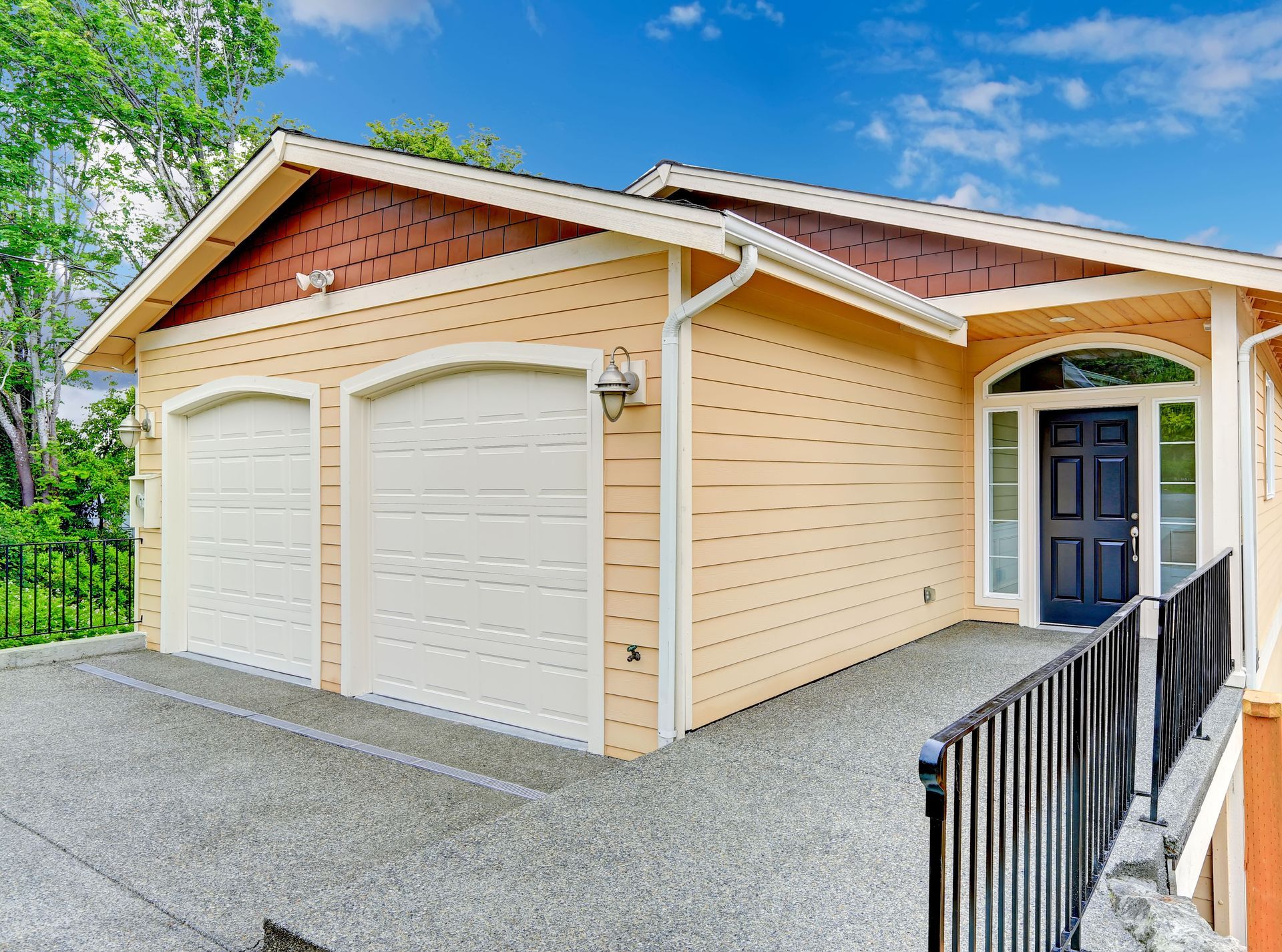
Selecting a sturdy material is only part of the complex equation; ensuring that your choice harmonizes perfectly with your overarching architectural theme is equally important. A rustic farmhouse design benefits immensely from organic textures, making simulated woodgrain or authentic timber the logical choice to enhance the welcoming, country-inspired atmosphere. Conversely, an industrial or modern minimalist property demands the sharp, clean aesthetics provided by smooth steel or highly reflective aluminum. Transitioning seamlessly between different exterior styles requires careful consideration of specific panel layouts, decorative glass inserts, and sleek hardware finishes. Taking a holistic, well-planned approach to your exterior design ensures that the new entryway feels like an intentional, cohesive part of the original structure rather than a disconnected, awkward addition. Color palettes also play a vital role; a bold, contrasting hue can create a captivating focal point, while muted, earthy tones foster a sense of natural harmony with the surrounding landscape. Relying on an expert entry door installation helps preserve the architectural integrity of the frame and surrounding exterior trim, guaranteeing that the final result perfectly executes your overarching design vision while maintaining optimal daily functionality and excellent weather resistance.
Upgrading your entryway is a highly transformative project that significantly boosts both the aesthetic curb appeal and the functional resilience of your beloved property. By carefully evaluating the distinct advantages of wood, steel, fiberglass, and aluminum, you can easily identify the perfect material that directly aligns with your daily maintenance capabilities, strict security needs, and unique aesthetic preferences. Every material brings its own unique, captivating character to the forefront, allowing you to thoroughly curate a welcoming atmosphere that reflects your distinct personal taste. Proper planning and professional execution are the ultimate keys to unlocking the full potential of your carefully chosen material, ensuring lasting exterior beauty and steadfast protection against the harsh elements. If you are truly ready to elevate your exterior design and improve your property value simultaneously, professional guidance can make all the difference in achieving flawless, beautiful results. For exceptional service and expert entry door installation, reach out to JCM Construction today to learn more about our comprehensive exterior solutions and to schedule your personalized consultation.